
Electric Motorcycles in Utah

Electric Motorcycles in Utah
Know the difference. Ride legal. Stay safe.
Electric two-wheeled vehicles are becoming more common across Utah’s trails, neighborhoods and communities. Some are legally considered e-bikes. Others are considered electric motorcycles, high power electric devices, or other motorized vehicles under Utah law.
This distinction matters. Because of their speed and power, electric motorcycles are often regulated as off-highway vehicles (OHVs) or motorcycles, which means registration, education, and riding restrictions may apply.
Quick Check
Is your ride likely an e-bike or an e-motorcycle?
Your vehicle is likely an electric motorcycle if it:
- Requires a pedal kit to have operable pedals
- Only uses a throttle to accelerate
- Has a motor over 750 watts
- Can go faster than 20 mph on motor power alone
- Has foot pegs installed by the manufacturer
- Looks and functions like a dirt bike or motorcycle
E-Bike vs. E-Motorcycle
A quick side-by-side comparison to help riders, parents, and dealers understand the basic difference. Final classification depends on Utah law and the vehicle's actual design, power, and speed capabilities.
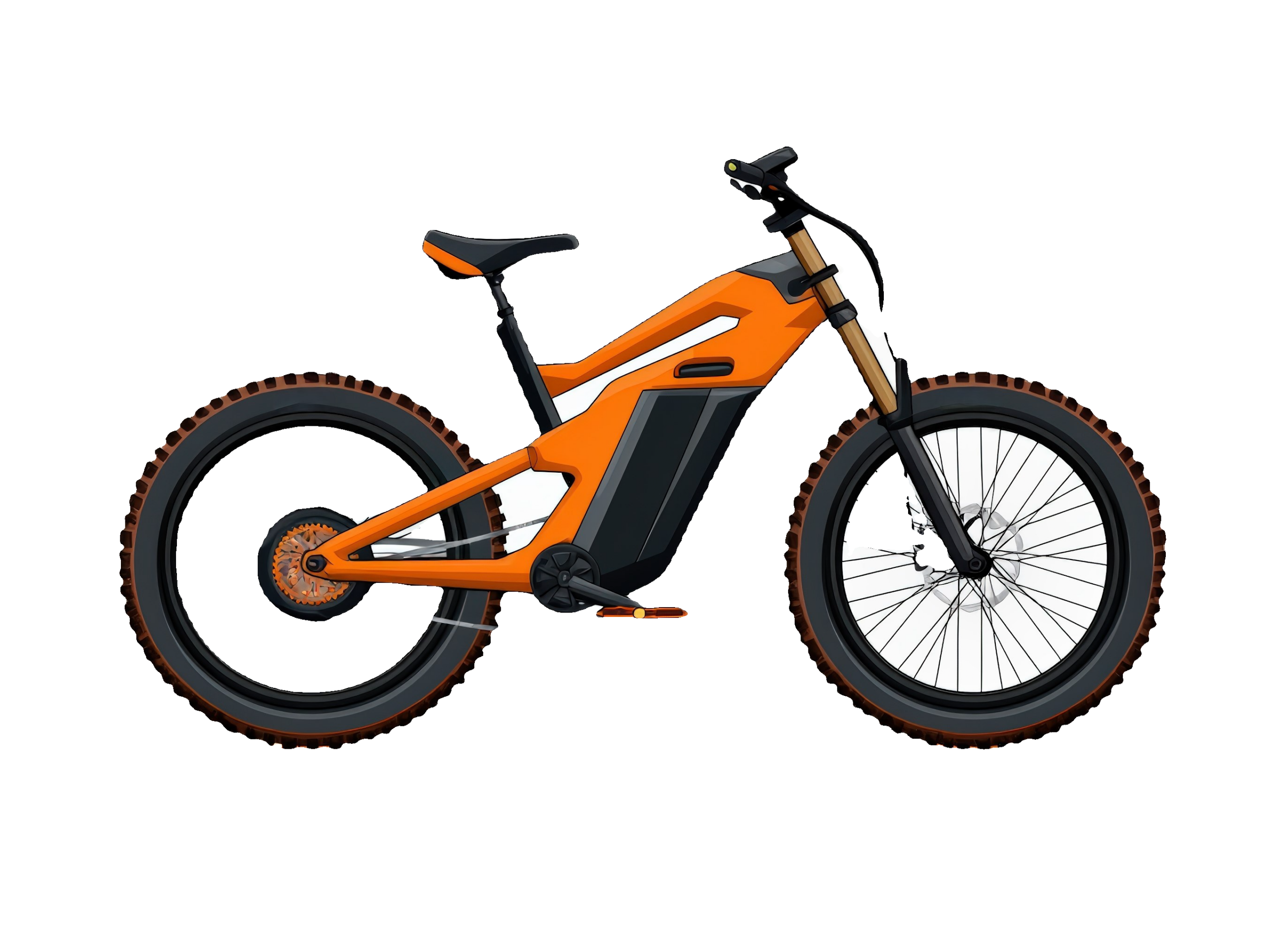

E-Bike (Class 1, 2, or 3)
- Permanently affixed and operable cranks
- Motor 750 watts or less
- Class 2 e-bikes may have a throttle
- Throttle-powered assist is limited to 20 mph for Class 2
- Pedal-assist can be allowed up to 28 mph for Class 3
- No OHV registration required as an e-bike
- Often allowed on bike paths and non-motorized trails where permitted
E-Motorcycle
- No manufacturer-installed cranks/pedals
- May exceed 20 mph on motor power alone
- May have foot pegs instead of true bicycle-style operable pedals
- May require a pedal kit to resemble an e-bike
- Registration and an OHV Education Course may be required
- Only allowed where motorized vehicles are permitted

Requirements for Electric Motorcycles in Utah
Depending on how and where it is used, an electric motorcycle may need to follow OHV rules or motorcycle laws.
Registration
If your vehicle is classified as an OHV, it must be registered and display a current OHV sticker before riding on public lands.
Education
Riders under 18 years old must complete the Utah OHV Education Course to legally operate an OHV on public lands.
Safety
Helmets and proper protective gear are strongly recommended and may be required for youth riders.
Trail and Road Rules Matter
Where you ride depends on how your vehicle is classified and whether the area allows motorized use.
On Trails or Public Land
Electric motorcycles are typically treated as off-highway vehicles (OHVs) and must follow OHV regulations.
- Ride only on designated motorized trails and routes
- Use only in OHV riding areas
- Follow rules for public lands where motorized use is allowed
On Public Roads
To operate an electric motorcycle on public roads, it must meet street-legal motorcycle requirements, which may include:
- Title and registration
- Valid driver license
- Motorcycle endorsement
- Insurance
- Required safety equipment such as lights and mirrors
Why These Rules Exist
Understanding the difference between e-bikes and e-motorcycles helps improve safety, protect access, and support Utah’s trail systems.
Improve Safety
Electric motorcycles can travel much faster than bicycles and require different riding practices.
Protect Trail Access
Following motorized trail rules helps reduce conflicts with hikers, bikers, and equestrians.
Support Utah’s Trail Systems
OHV registration fees help fund trail maintenance, trail construction, rider education, and safety efforts.
Know Before You Ride
A quick checklist before you head out.
- ✓Does my vehicle have true operable pedals installed by the manufacturer, or does it mainly function like a motorcycle?
- ✓Is the motor 750 watts or less?
- ✓Can it go faster than 20 mph on motor power alone?
- ✓Does my vehicle need OHV registration?
- ✓Am I riding in an area open to motorized use?
- ✓Do I need to complete an OHV Education Course?
- ✓Am I wearing proper safety gear?
Taking a few minutes to check these things can help you ride legally, safely, and responsibly.
Take the Next Step

The monthly newsletter keeps you updated on Utah’s outdoor community, industry, events, jobs, stewardship opportunities, and more.
Stay up to date on Utah’s outdoor community by signing up here.