


Life Jackets
Life Jackets
Nationally, 80% of people who drowned in boating accidents would have survived had they been wearing a life jacket. Wear it Utah!
Remember: Utah law says there must be at least one properly sized and serviceable U.S. Coast Guard-approved life jacket for each person aboard a vessel. Life jackets must be readily accessible - not in an out-of-reach location or in original packaging.


- Children 12 years and under are required to wear life jackets at all times when aboard a vessel. All other participants must have a life jacket readily available aboard the vessel.
- Participants engaged in towing activities, anyone on a PWC, river sections that are not designated as flatwater are required to wear a life jacket.
- Any boat 16’ and longer (except canoes and kayaks) must carry a throwable PFD called a Type IV
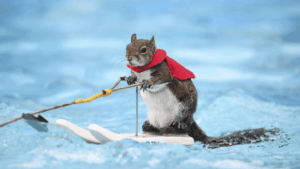
Twiggy the Squirrel
Throwable devices must be immediately available for use such as in the cockpit or near the helm
Even squirrels need a life jacket!
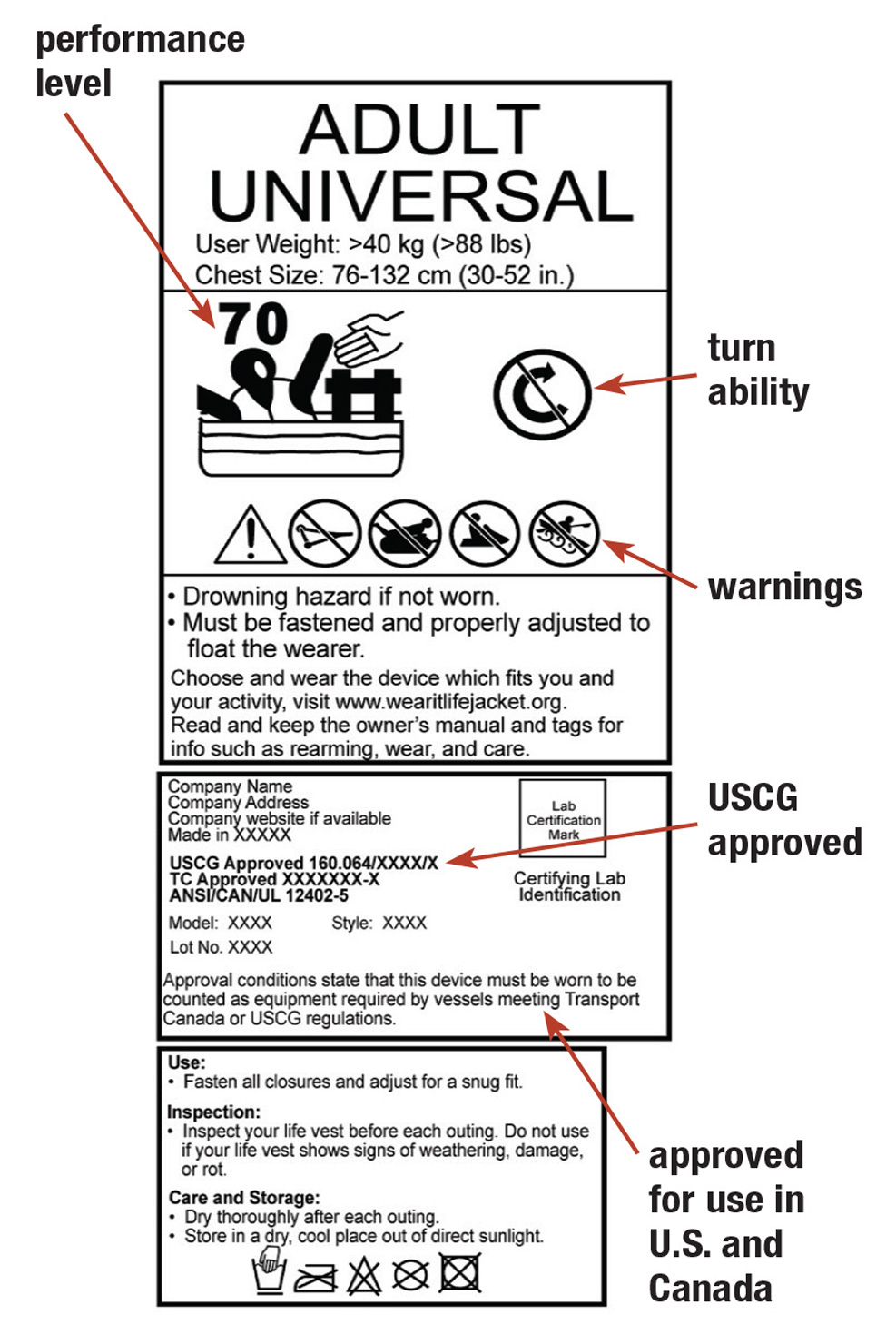
1. Read the Label! Always choose a US Coast Guard (USCG) approved life jacket in accordance with your sizing group (infant, child, youth, and adult).
- When sizing for adults, the chest measurement is most important.
- For infants, children, and youth, body weight takes precedence
Note: Always make sure the life jacket matches your intended activity by reviewing the label. From left to right, these symbols indicate that the life jacket is not approved for PWC, towed water sports, tubing, and white water rafting.


Standup paddleboards (SUP), kayaks, and canoes are becoming more popular on Utah’s waters. Familiarize yourself with the rules of the water before heading out!
- Each vessel must have at least one U.S. Coast Guard-approved wearable or inflatable life jacket for each person on board.
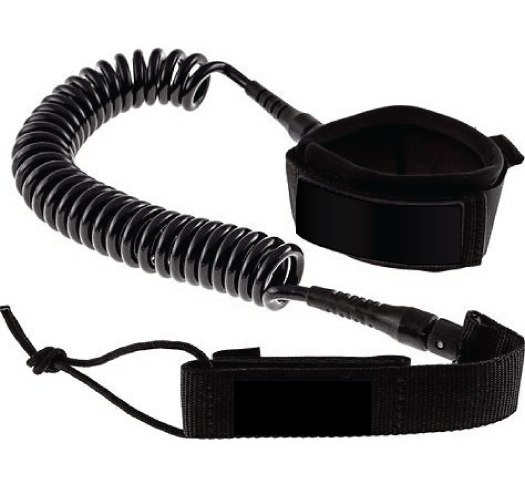
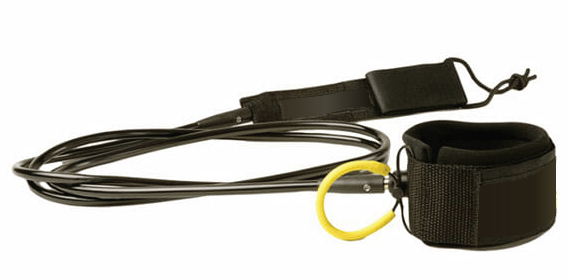
- SUP leashes are not required, but highly recommended by the Utah Division of Outdoor Recreation.
- Kids 12 years of age and younger are required to wear a life jacket at all times.
- Although not required, we recommend paddle sport personnel also carry a spare paddle, bail bucket, and whistle.
Remember: your craft does not need to be registered in Utah unless a motor or sail is attached.


There are four basic life jacket design types: Inherent, Inflatable, Hybrid, and Special Purpose.
There are two main classes of PFDs.
- Those which provide face up in-water support to the user regardless of physical conditions (lifejackets).
- Those which require the user to make swimming and other postural movements to position the user with the face out of the water (buoyancy aid).
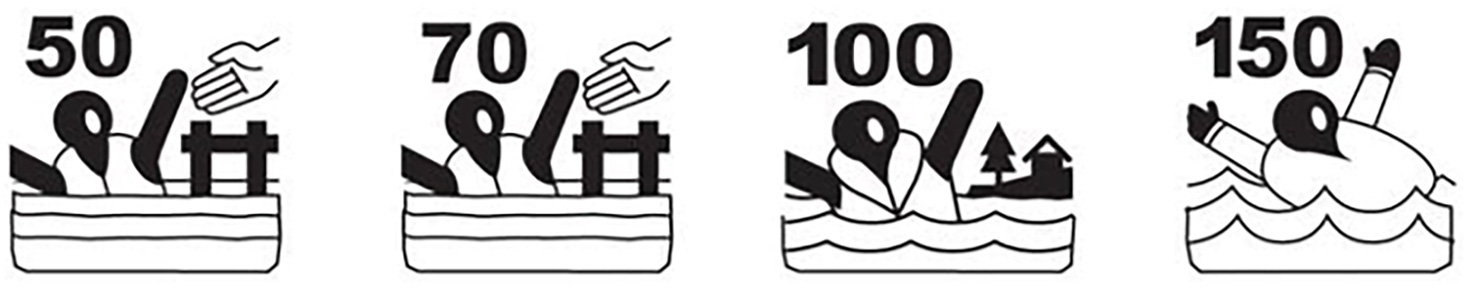
Wearable PFDs are categorized by performance Type and/or performance Level.
- Type I, II, III, V
- Level 50, 70, 100, 150
The number in performance Level Devices (Level 70) indicates the minimum buoyancy of the device. Buoyancy of Level Devices is measured in Newton (N). 70 Newtons equals 15.74 pounds of buoyancy.



If someone falls into the water, your first instinct might be to jump in after them. But this often ends in tragedy because it adds risk to you both. Instead, follow these 5 steps. Starting with the lowest-risk step before moving to the next.
Note: A type IV PFD is a throwable device designed to be tossed to a person. These can include ring buoys or flotation cushions.

1. Talk
If the victim is close enough to hear you and is responsive, use your voice to direct them on how to self-rescue.

2. Reach
Reach out with an object such as a paddle, stick, fishing rod, etc., and pull the victim to safety.

3. Throw
If the victim is too far away to reach, throw the victim a type IV PFD or a life jacket and tell them to bear hug it. Pull them in if possible.

4. Row
If available and the situation is safe, row to the victim. If using a motorboat, approach the victim from the downwind side at a wakeless speed.

5. Go
Never enter the water if you do not have to. Instead, go for help. If you must enter the water, wear a life jacket and bring along a PFD or buoyant item to keep between yourself and the victim.
Popular with professional towed water sport athletes for their slim profile and flexibility, competition vests (comp vests) are not USCG-approved life jackets. They offer little to no buoyancy and will not keep an unconscious swimmer’s head above the water.
Comp vests do not satisfy legal requirements for life jackets on board or while being towed. They should only be used in controlled environments where you are being closely observed by professional safety personnel.
Always check the label.


RESOURCES
CONTACT US
General Questions
(801) 538-5500
[email protected]
Address
1594 W North Temple
Suite 100
Salt Lake City, UT 84116
The monthly newsletter keeps you updated on Utah’s outdoor community, industry, events, jobs, stewardship opportunities, and more.
Stay up to date on Utah’s outdoor community by signing up here.