


Motorized Boating – Getting Started
Motorized Boating – Getting Started
Welcome Aboard
If you're new to motorboating, it can feel like there’s a lot to learn. But every experienced boater started a little nervous, and ready for adventure. This guide will help you:
Choosing the Right Type of Motorboat
Not all motorboats are the same. The kind of recreational activity you want to do will help you decide which boat is right for you.
- Where do you plan to boat? (Lake, river, saltwater?)
- Will you use it for fishing, cruising, swimming, water sports?
- How many people will usually be with you?
- Where do you plan to boat? (Lake, river, saltwater?)
- Will you use it for fishing, cruising, swimming, water sports?
- How many people will usually be with you?
Common Types of Motor Boats
Start small and simple. You can always upgrade as your skills and interests grow.
Learn Your Boat
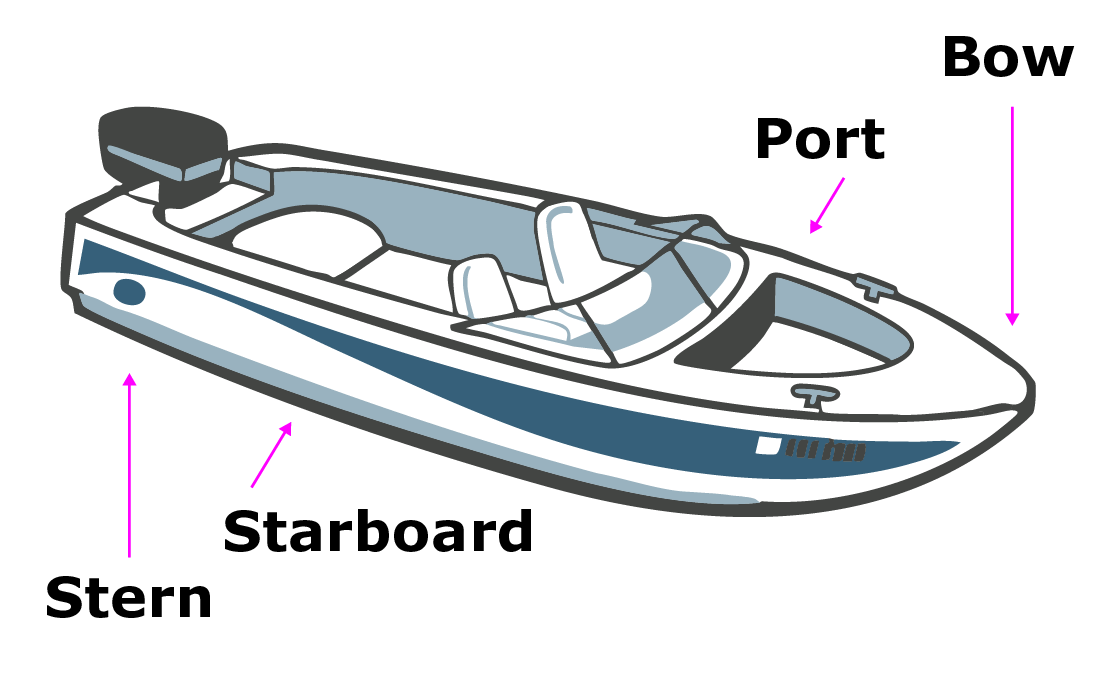
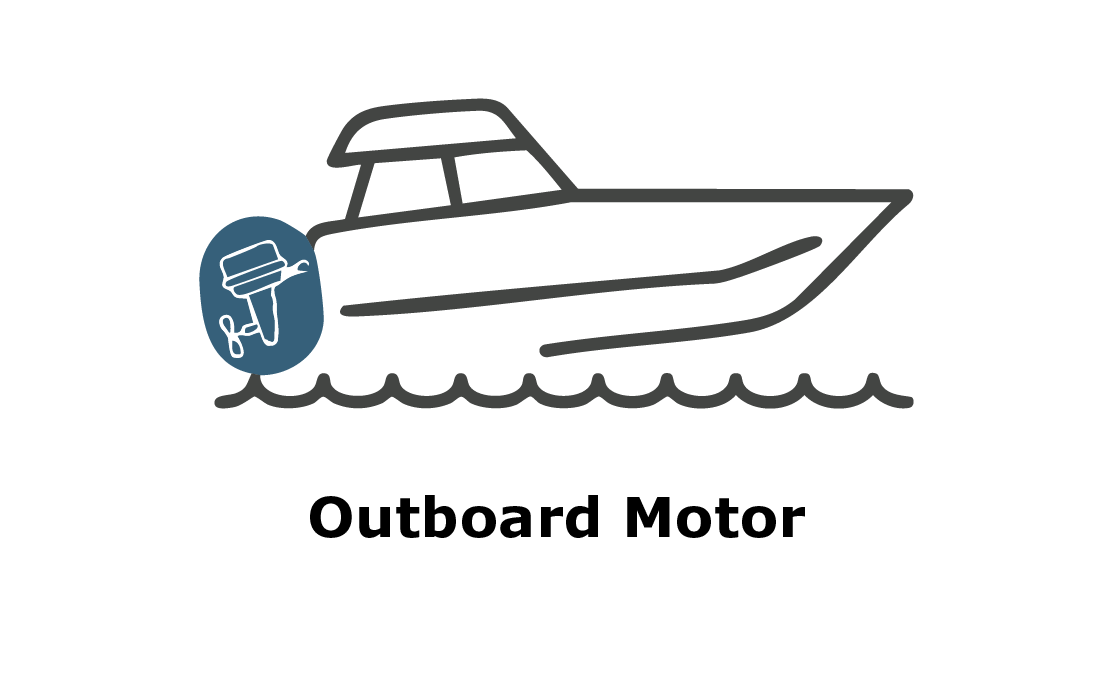
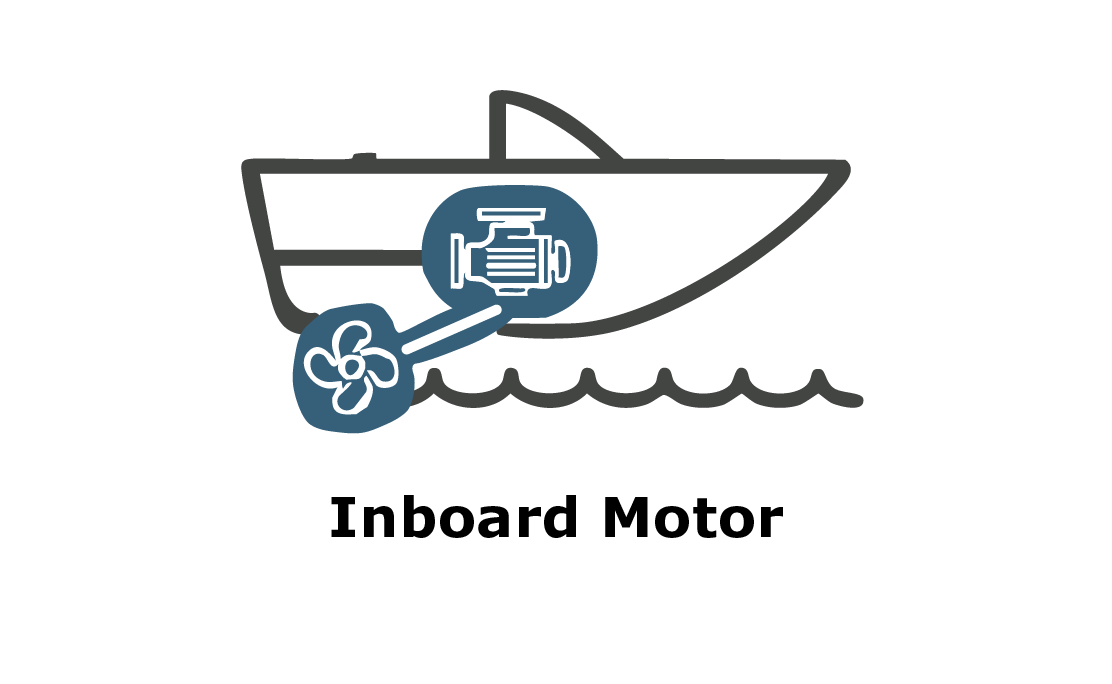
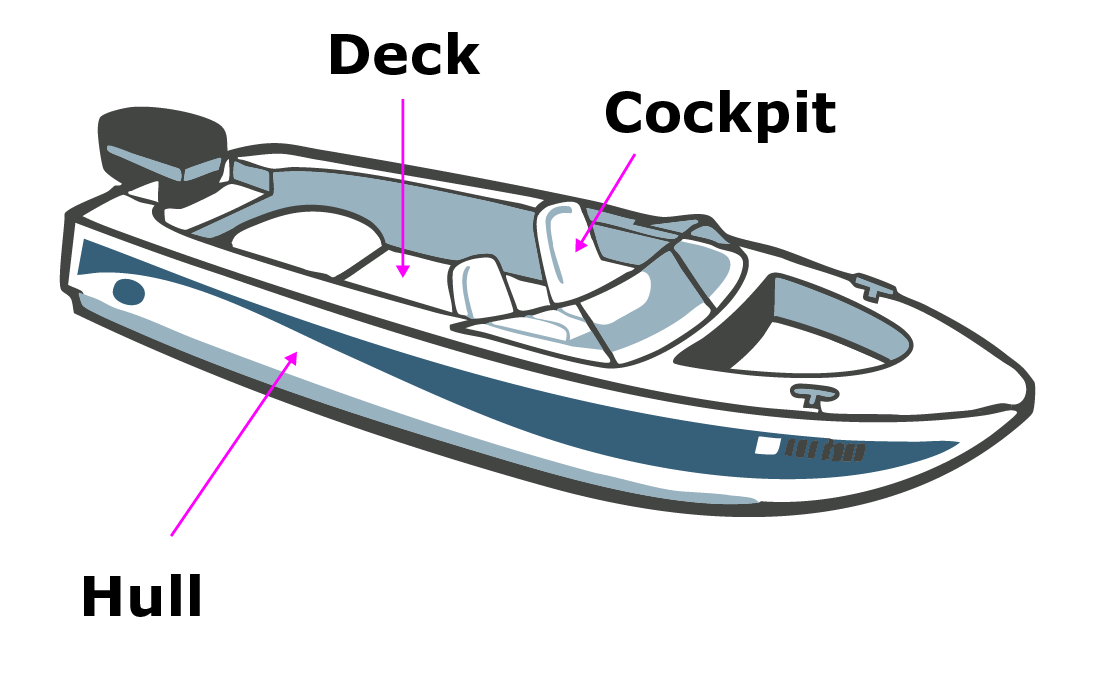
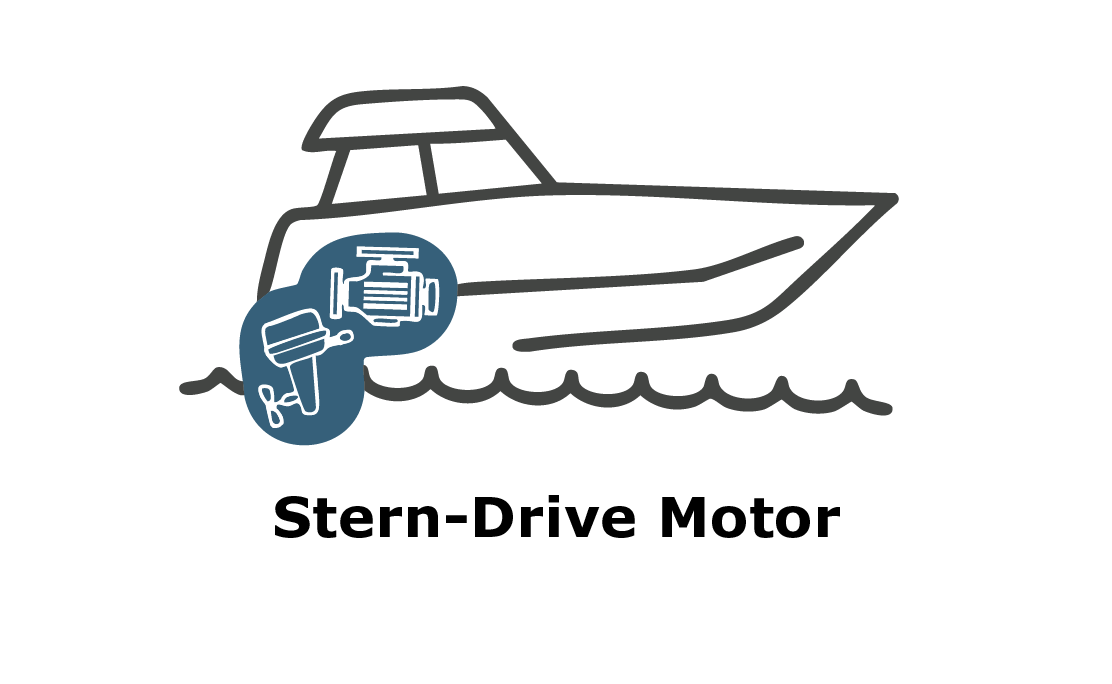
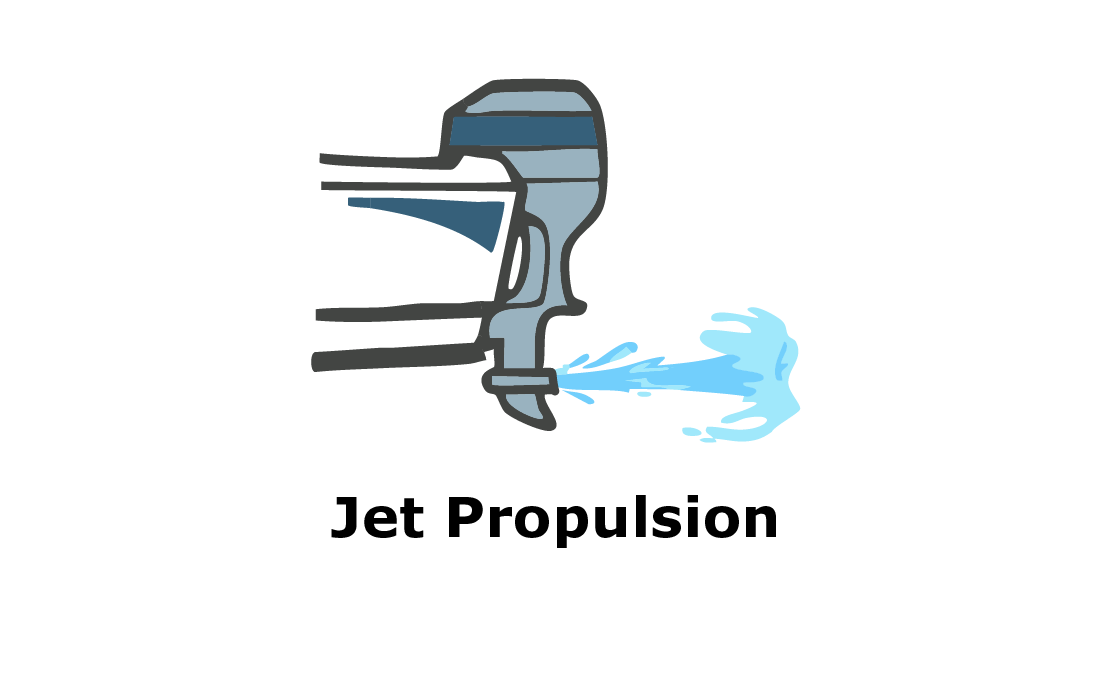
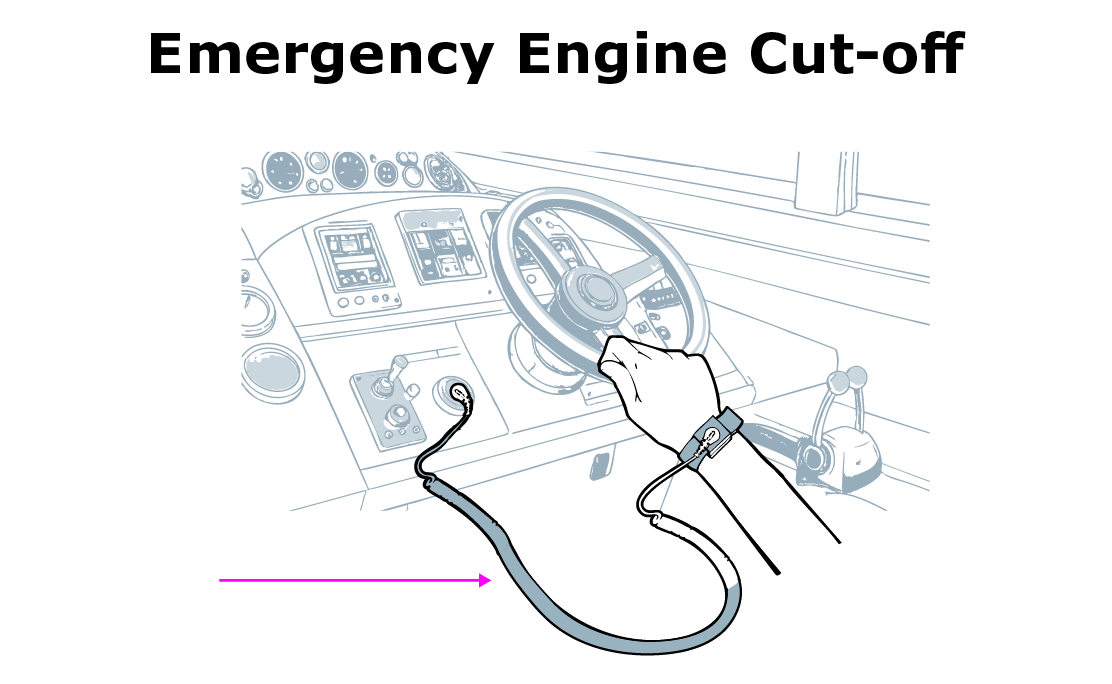
Knowing the basic parts of your boat helps you talk about it, work on it, and drive it safely.




Required Equipment and Legal Requirements
Knowing the basic parts of your boat helps you talk about it, work on it, and drive it safely.
- Register your boat with your state. For Utah, visit the Utah DMV
- Display your numbers correctly
- Keep proof of registration on board
- Take your required mussel awareness course and display your decal on the Port Side (left side) of your vessel.






Also be aware of pollution laws:
No dumping of oil, fuel, trash, or human waste
Rules of the Water
Boating has its own version of traffic laws. These help avoid collisions and ensure fairness on the water.
- Right-of-way: Know the navigational “rules of the road” remember to give way to vessels with limited maneuverability
- Collision avoidance: Always maintain a safe speed and proper lookout
- Overtaking, crossing, and head-on rules: Know who yields and when
- Responsibility rule: If you can prevent an accident, do so—even if you have the right-of-way
- Sound signals and flags: Communicate intentions, especially in limited visibility
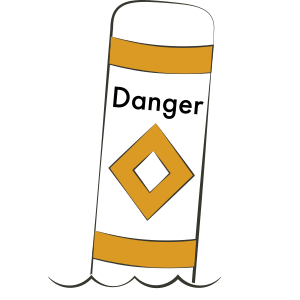
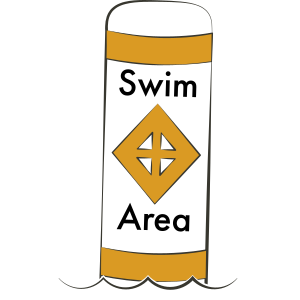
- Security zones: Stay clear of restricted areas and follow posted signage
- Speed and proximity rules: Keep safe distances from swimmers, docks, and other boats.
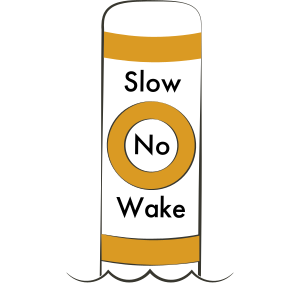
- In Utah, boaters must maintain a wakeless speed (not exceeding 5 mph) within 150 feet of another vessel, person in the water, water skier (except those being towed), shore fisherman, ramp, dock, or designated swimming area.
- Boating Under the influence: Utah’s Driving Under the Influence of Alcohol and/or Drugs laws applies to the operator of a motorboat. Utah’s legal blood alcohol concentration (BAC) level is 0.05%, meaning less than 0.05 grams of alcohol per 100 milliliters of blood.
Understanding Waterway Markers & Signs (Aids to Navigation)
Just like roads have signs, the water has markers to help guide you.
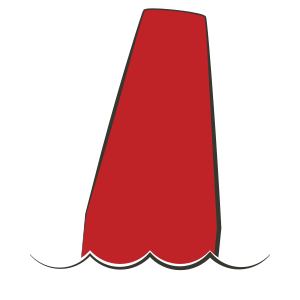
"Red, Right, Return"
When returning to shore, a marina, or heading upstream, keep red buoys on your right (starboard) side.
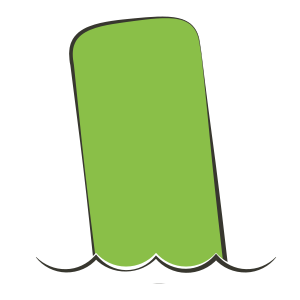
"Green Go Out"
When leaving shore, a marina, or heading downstream, keep green buoys on your right.
Knots & Lines
Good boaters know how to handle rope. Choose the right line material for strength and flexibility. Learn how to coil and stow lines to avoid tangles.
Click on the links below for step-by-step animations on how to tie each knot:
- Bowline: ideal for tying a secure loop
- Cleat hitch: most commonly used to tie to a dock
- Figure-eight: stopper knot
- Clove hitch: temporary tie-off
- Square knot: used for joining two lines together
- Cow hitch / double half hitch: temporary knot for a light load
Basic Boat Handling Skills
Practice builds confidence. Brush up on the following topics to know how best to handle your boat in a variety of situations
For more in-depth information, click on the links below:
- Boarding safely: Always keep weight centered
- Boat trim: Adjusting balance front to back and side to side
- Getting underway: Check surroundings, idle out slowly
- Docking and undocking: Use lines and fenders
- Fuel management: Always plan for reserve
- Handling in wind/current: Learn how Leeway and drift can move your boat off course
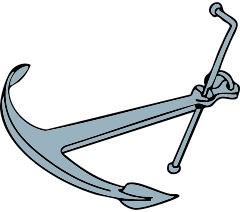
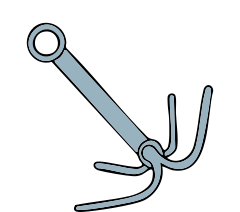
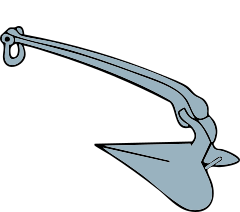
If another boater is in trouble:
- Assess risk first, don’t create more danger
- Know when to tow vs. call for help
- Use proper tow lines and cleats
- Communicate clearly and maintain control
- Disconnect quickly in emergencies
- Follow legal obligations to assist when safe
Understanding Weather
Weather can change fast. Monitor and prepare.
- Check forecasts before launching
- Know the signs of approaching storms or wind shifts
- Watch clouds and lightning
- Avoid exposure to cold or wet conditions
- If you're caught in bad weather:
- Reduce speed
- Stay away from shore and obstacles
- Always wear your life jacket
- Monitor radio for updates
Being a Good Steward
Boaters are responsible for protecting the water and the experience for others, don't forget these common courtesies both on and off the water:
- Be aware of aquatic invasive species and always clean, drain, dry your boat
- Avoid fuel spills: fill slowly and use absorbent pads
- Pack out trash
- Keep noise down near shorelines or homes
- Respect wildlife and sensitive areas, stay back and slow down
- Leave every place better than you found it.
- Understand how to safely operate around dams, and under bridges
- Cooperate during law enforcement boardings. Have your documents ready and stored in a waterproof container like a dry bag or ziplock bag.
CONCLUSION
Motorboating is a rewarding skill that opens the door to adventure, independence, and a stronger connection to the water. With the right knowledge and a commitment to safety and responsibility, you’ll be well on your way to becoming a capable, confident boater.
What to Do Next:
Required - AIS course | Connect with a boating group | Free Boating Course
Register your Boat | Checklist of what you need before boating in Utah

The monthly newsletter keeps you updated on Utah’s outdoor community, industry, events, jobs, stewardship opportunities, and more.
Stay up to date on Utah’s outdoor community by signing up here.